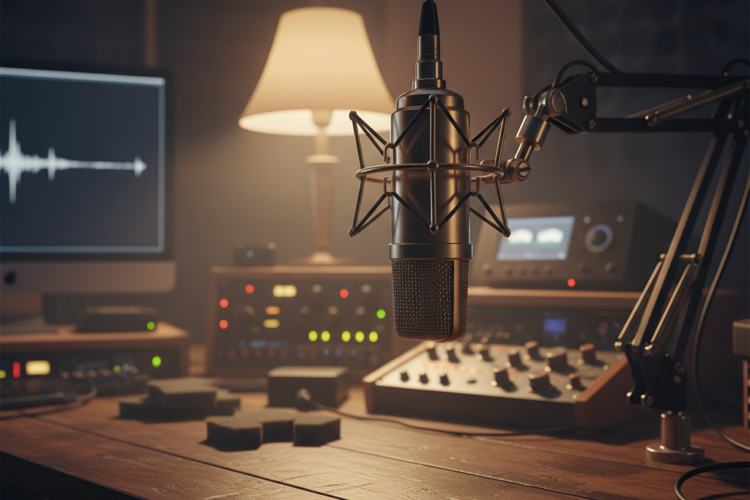
For any aspiring musician, podcaster, or voiceover artist setting up a home studio, the single most impactful decision often revolves around one crucial piece of equipment: the microphone. A good microphone is the foundation of high-quality audio, directly influencing the clarity, richness, and overall professionalism of your recordings. But with a dizzying array of options, from budget-friendly dynamic mics to high-end condensers, choosing the “right” one can feel overwhelming. This guide will help you navigate the choices and pinpoint the best microphone for your specific needs, ensuring your recordings sound crisp and polished.
Understanding Your Recording Needs
Before diving into specific microphone types, it’s essential to define what you’ll be recording. Are you singing, playing an acoustic guitar, narrating a podcast, or recording drums? Each scenario has different requirements. For example, a vocalist often benefits from a microphone that captures subtle nuances and a wide frequency range, while a podcaster might prioritize clear speech and rejection of background noise. Thinking about your primary use case will narrow down the options significantly.
Consider the environment you’ll be recording in as well. A very noisy room might necessitate a microphone less sensitive to ambient sounds, whereas a treated, quiet space allows for microphones that capture more detail. Your recording environment plays a significant role in how any given microphone will perform.
Dynamic vs. Condenser Microphones: The Core Distinction
The vast majority of home studio microphones fall into two main categories: dynamic and condenser. Understanding their fundamental differences is key to making an informed choice.
Dynamic Microphones: The Workhorses
Dynamic microphones are robust, durable, and generally less sensitive to loud sounds. They are excellent for live performances, recording loud instruments like electric guitar amps or drums, and situations where some background noise might be present. Think of the classic Shure SM58, a staple on stages worldwide – that’s a dynamic mic. They are typically more affordable and don’t require external power. Their sound is often described as warm and punchy, but they may lack the detailed high-frequency response of condenser mics.
A practical consideration for dynamic mics is their durability. They can withstand accidental drops and bumps better than their condenser counterparts, which is great for beginners or those working in less-than-ideal recording environments. Their lower sensitivity means they are less likely to pick up every little creak or hum in your home, making them a good choice for untreated rooms.
Condenser Microphones: Capturing Finesse
Condenser microphones, in contrast, are much more sensitive, offering a wider frequency response and greater detail capture. They are the go-to for vocals, acoustic instruments, and anything requiring a nuanced, “airy” sound. Most studio recordings of singing you hear are done with condenser microphones. They usually require “phantom power” (a small electrical current supplied by an audio interface or mixer) to operate, and are generally more fragile and expensive than dynamic mics.
When considering a condenser microphone, sound clarity is paramount. They excel at picking up the subtle textures and harmonics of voices and instruments. However, their high sensitivity also means they will pick up more room noise, so using them in a quiet, acoustically treated space is essential for optimal results. If your room is full of echoes or hums, a condenser mic might amplify those unwanted elements.
Choosing for Specific Scenarios and Avoiding Common Mistakes
For **vocals and acoustic instruments (like acoustic guitar or ukulele)** in a quiet home studio, a **large-diaphragm condenser microphone** is often the best choice. These mics offer warmth, detail, and a broad frequency response that beautifully captures the human voice and the richness of strummed strings. A common mistake here is using a dynamic mic in a quiet space, which might result in a less detailed and less professional sound than desired.
For **podcasting, voiceovers, or interviews** where clarity of speech and some background noise rejection are important, both dynamic and condenser options work. A **USB microphone** (which often incorporates a condenser element) can be an excellent, simple solution as it connects directly to your computer. If you have a dedicated audio interface, a good quality dynamic mic like the Shure SM7B (though a premium dynamic) or even a solid entry-level large-diaphragm condenser can provide excellent results.
A crucial technical consideration is **compatibility**. If you opt for a condenser microphone that requires phantom power, ensure your audio interface or mixer has this feature. Most modern audio interfaces do, but it’s always worth double-checking. Another common mistake is neglecting the acoustic environment. Even the best microphone will sound poor in a room with excessive echo or background noise. Consider simple acoustic treatments like blankets, furniture, or professional acoustic panels to improve your recording space.
Ultimately, the “right” microphone aligns with your primary recording needs, your budget, and the quality of your recording environment. By understanding the differences between dynamic and condenser mics and considering your specific applications, you can make an informed decision that elevates your home studio recordings from amateur to outstanding.